

If your pet could talk, it would not suddenly announce that it is getting older. There are no obvious signals or dramatic changes overnight.
Instead, aging shows up quietly, through small shifts in behavior, energy, and health that are easy to overlook or dismiss as “normal.”
The truth is that age 7 marks an important transition point for most dogs and cats. It is not considered “old age” in a strict sense, but it is the stage when the body begins to slow down, repair processes become less efficient, and early signs of age-related conditions appear.
Understanding this phase can make a significant difference in your pet’s long-term health and comfort.
Age 7 Is Not “old”; It Is a Transition Phase
Many pet owners assume aging begins much later, but biologically, around 7 years is when pets enter their mature adult or early senior phase, depending on breed and size. Larger dogs may even reach this stage earlier.
At this point, metabolism begins to slow down, immunity may not respond as strongly as before, and joints, teeth, and internal organs begin to show early signs of wear and tear.
The important thing to understand is that these changes are gradual, not sudden, which is why they often go unnoticed.
Subtle Changes in Energy and Movement
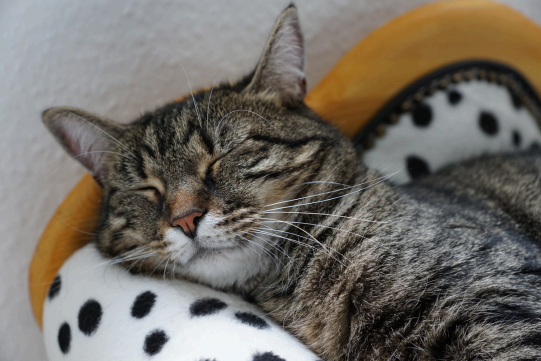
One of the first things owners usually notice, but often ignore, is a change in energy levels. A pet that once eagerly ran to the door may now take a little longer to get up or seem less enthusiastic about long walks.
This is not always just “maturity” or a relaxed personality developing. In many cases, it is an early indication of joint stiffness, mild arthritis, or muscle loss. Pets are naturally good at masking discomfort, so what appears as normal slowing down may actually be early physical strain.
A simple observation can help. Watch how your pet behaves after resting. If they take longer to stand, stretch more than usual, or hesitate before jumping or climbing, these can be early clues worth noting.
Dental Health Becomes More Important than Ever
Dental disease is one of the most common but underestimated issues in aging pets. By the age of 7, many pets already begin to develop plaque buildup, gum inflammation, or early stages of periodontal disease.
Unlike humans, pets rarely show obvious signs of dental pain. Instead, you may notice subtle changes such as mild bad breath, a preference for chewing on one side, or reduced interest in harder food. Because these signs seem small, they are often ignored until the condition becomes severe.
Left untreated, dental problems can lead to infections that affect not just the mouth but also the heart, liver, and kidneys over time. This is why dental care becomes a key part of preventive health after age 7.
Weight Changes that Do Not Always Relate to Food
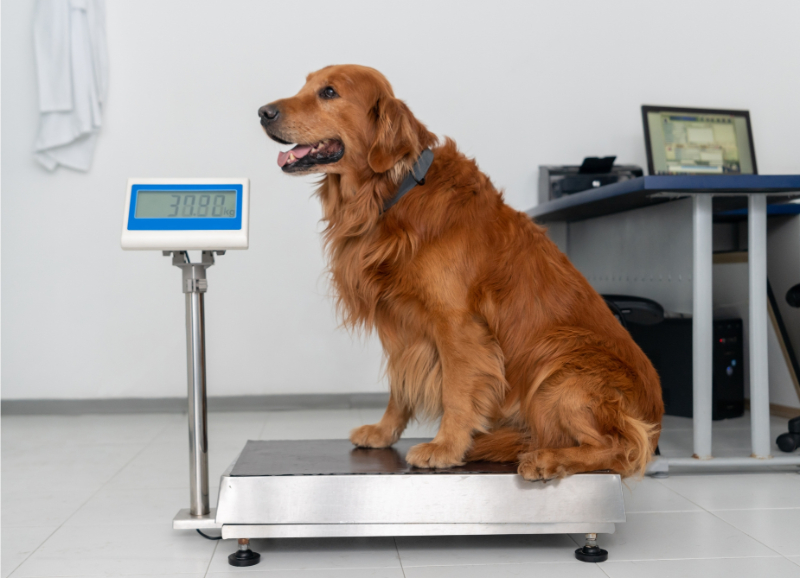
Another common but overlooked change is fluctuations in weight. Some pets start gaining weight despite no major change in diet, while others may begin to lose weight without any obvious reason.
This usually happens because metabolism slows down with age, and activity levels naturally decrease. However, in some cases, it may also signal underlying conditions such as thyroid imbalance, digestive issues, or early metabolic disorders.
Regularly tracking weight rather than relying on visual estimation becomes important at this stage, as small changes can reveal larger health trends.
Internal Health Changes that Are Not Visible
Some of the most important changes after age 7 happen inside the body, completely invisible to the owner.
Organs such as the kidneys, liver, and heart begin to experience gradual wear, even if the pet appears perfectly healthy on the outside.
Conditions like kidney disease, diabetes, and heart issues often develop slowly without early symptoms. By the time visible signs appear, the condition may already be advanced.
This is why routine health screenings, including blood tests, become extremely important during this stage. They help detect issues early, often before the pet shows any outward signs of illness.
Subtle Shifts in Senses and Behavior

As pets age, their senses can change. Hearing and vision may gradually decline, leading to subtle behavioral differences, such as not responding immediately to being called, bumping into objects occasionally, or becoming easily startled.
In addition, behavioral changes may occur. Some pets become more anxious, less patient, or slightly confused in familiar environments.
These changes are not just personality shifts but can be linked to the aging of the nervous system or early cognitive changes.
Because these signs are mild at first, they are often mistaken for mood changes rather than health-related issues.
The Biggest Mistake Pet Owners Make
The most common mistake is assuming that “no obvious symptoms” means “no problem.” In reality, many age-related conditions begin silently and progress slowly.
Waiting for clear symptoms often means missing the early window where treatment and management are simplest and most effective. Pets do not show discomfort the way humans do, which makes regular preventive care even more important.
What You Should Actually Do After Age 7
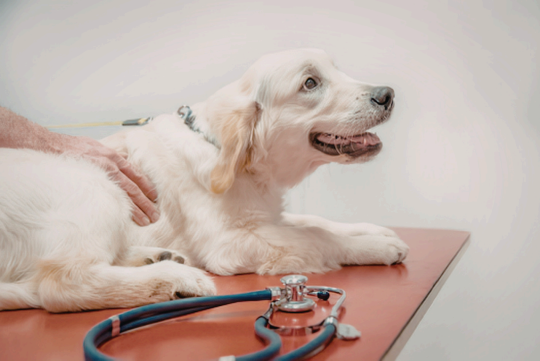
Caring for an aging pet does not require drastic changes, but it does require awareness and consistency. Regular veterinary checkups become essential, even when everything seems normal.
Monitoring weight, energy levels, appetite, and behavior can help identify early shifts that might otherwise go unnoticed.
Preventive care is not about reacting to illness. It is about staying ahead of it. Final Thoughts
Age 7 is not a warning sign. It is simply a reminder that your pet is entering a new stage of life that requires a slightly more attentive approach.
The changes are often subtle, but they matter more than most owners realize.
Your pet will not tell you when something feels off. But they will show you in small ways, through their energy, habits, and behavior. The key is learning to notice those signals early and respond with care.
Because, in the end, aging is not about suddenly losing health. It is about changing needs over time.
And the better you understand those changes, the better life you can give them in return.




